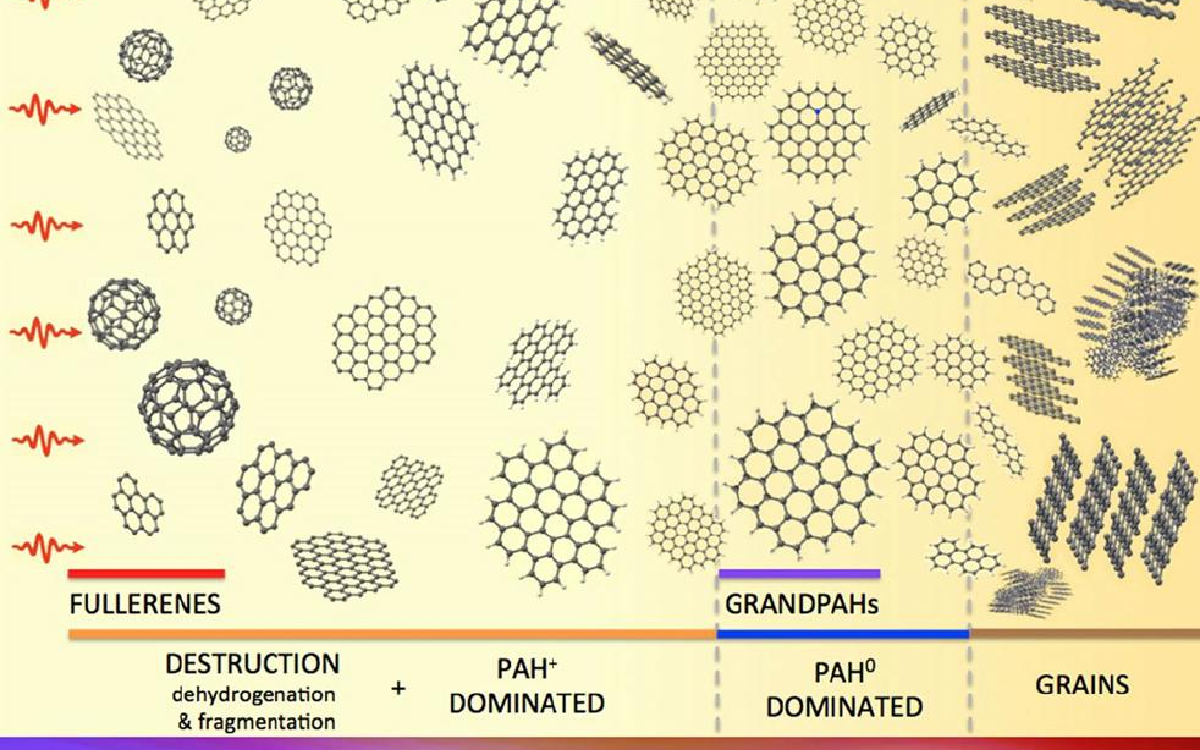
Simulating the spectra of small ISM molecules
Here is a tool to gain some familiarity with the spectra of small molecules
What I spend my days (and occasionally nights) working on
From merger trees encoded as graphs to the Earth's atmosphere itself — modelling and measuring.
No projects match that combination — try widening one of the filters.
Here is a tool to gain some familiarity with the spectra of small molecules
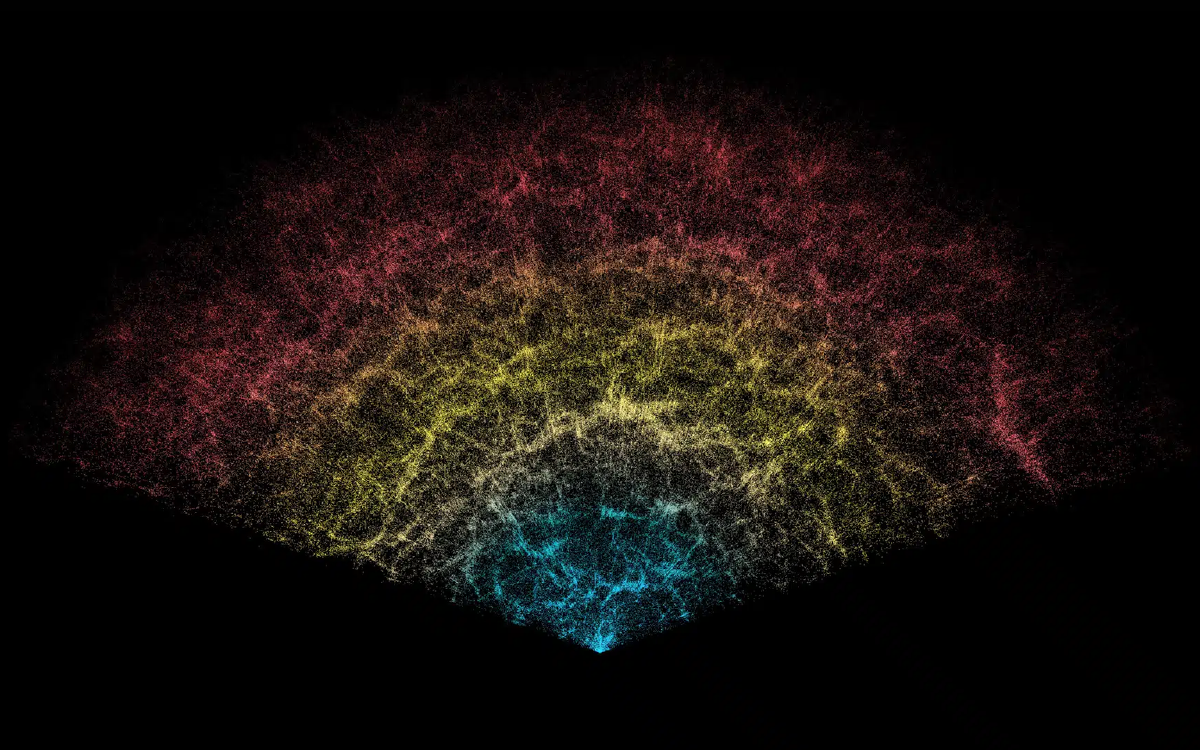
Numerous models have been proposed to explain the unexpected wealth of galaxies at Cosmic Dawn revealed by JWST. These models are all tuned to reproduce the abundance of galaxies, requiring new measurements to figure out which ones are actually right. An obvious candidate for these constraints come from clustering, but to do so with JWST requires innovating methodology. Here I show how clustering can be measured from pure-parallel JWST surveys, and how it gives us a unique handle on why galaxies seem to not be going through a wild and bursty teenage phase.
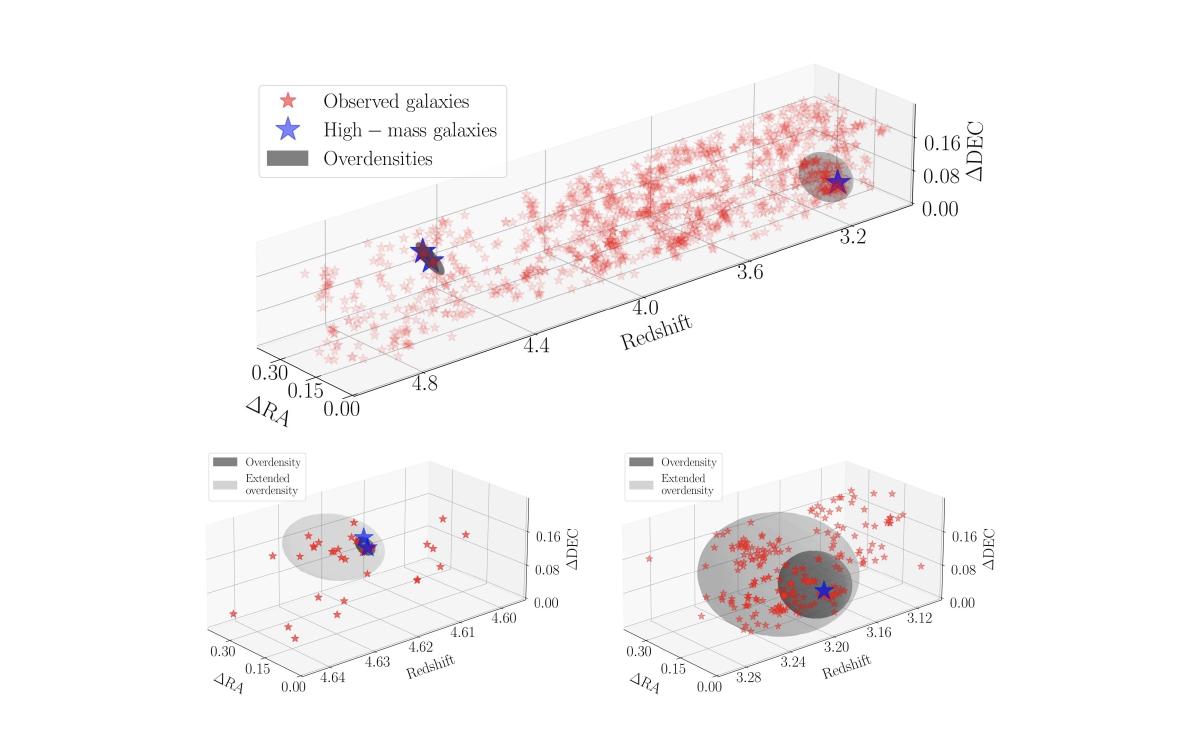
The existence of ultramassive quiescent galaxies, which have already completed their life cycle at a mere 7% of the age of the Universe, is among the most puzzling of recent discoveries. We provide a statistical argument for interpreting these observations in the context of their environments, which explains their accelerated formation.
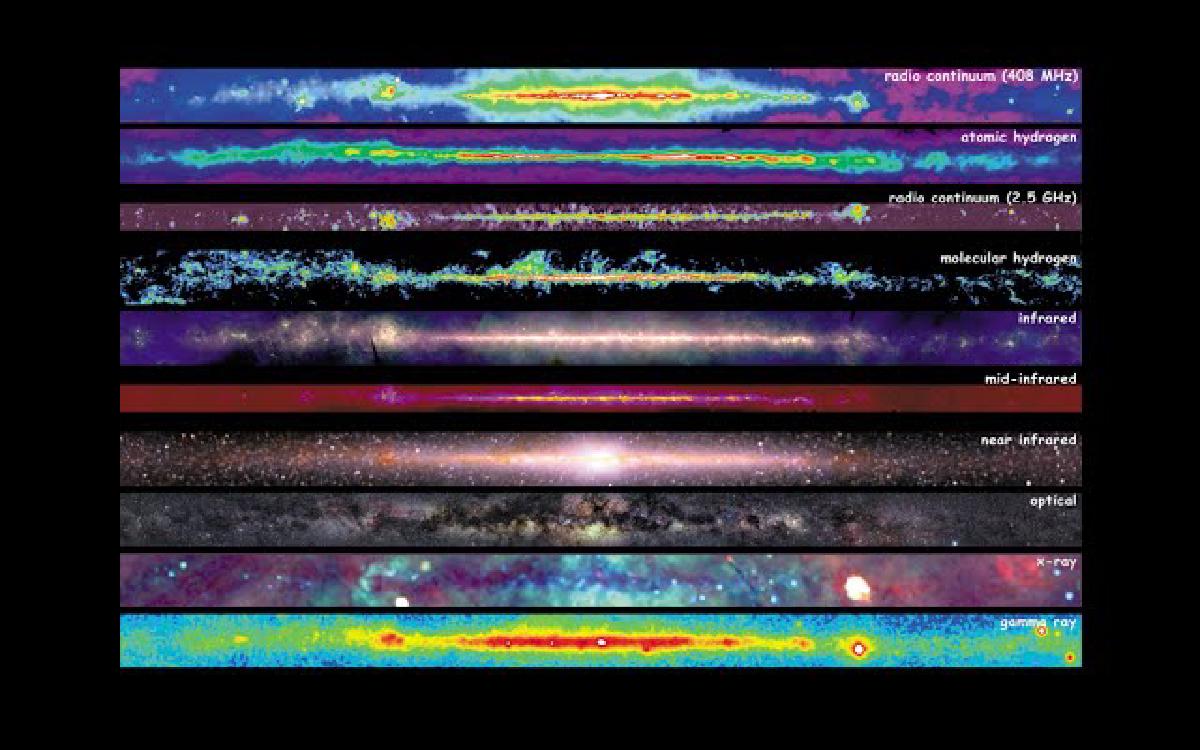
Galaxies are often modelled as disjoint composites of distinct spectral components, implying that different wavelength ranges are only weakly correlated. They are not. We construct a data-driven model to predict infrared emission from optical spectra, achieving almost lossless predictions. Traditional fitting methods are incapable of making predictions, being biased by model misspecifications.
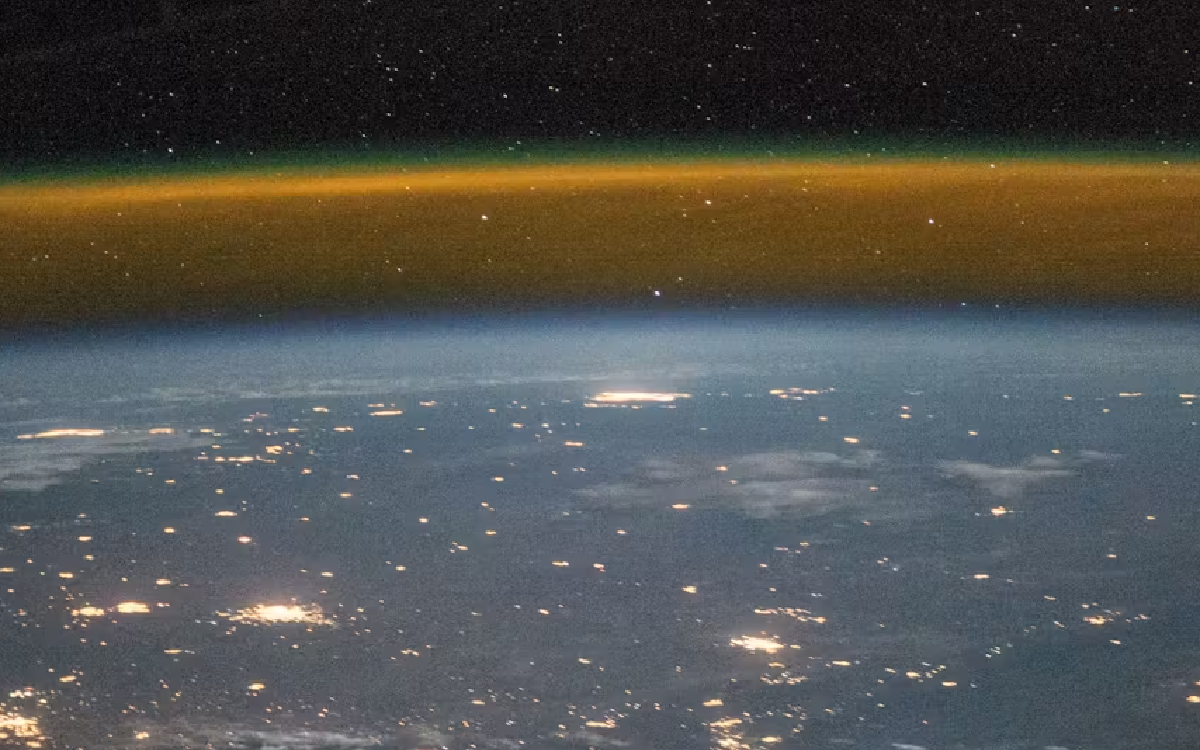
The biggest challenge for next-generation ground-based spectroscopic surveys is the emission from the atmosphere itself. The Subaru Night Sky Spectrograph (SuNSS) studies this emission, called airglow, which allows us to improve our calibrations, sky subtraction, and understanding of the airglow itself.
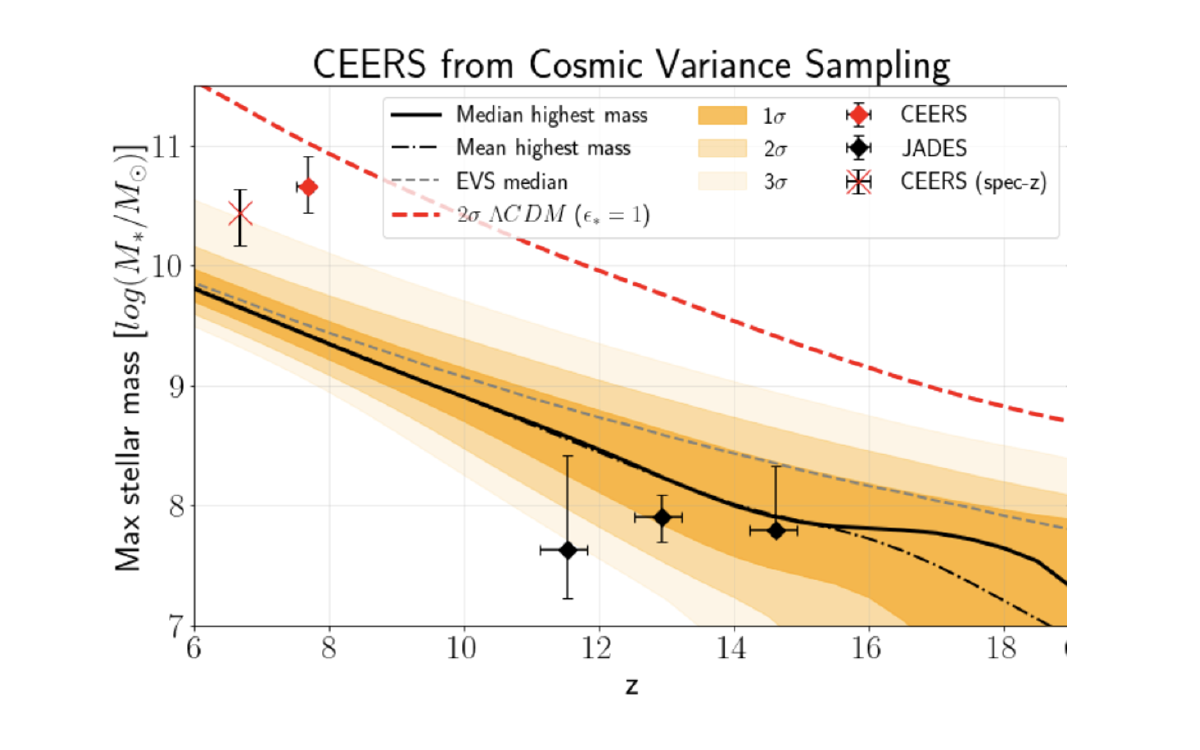
We show that cosmic variance must be accounted for in analyses of extremely massive galaxies in high-z JWST surveys, and provide tools and considerations for doing so.
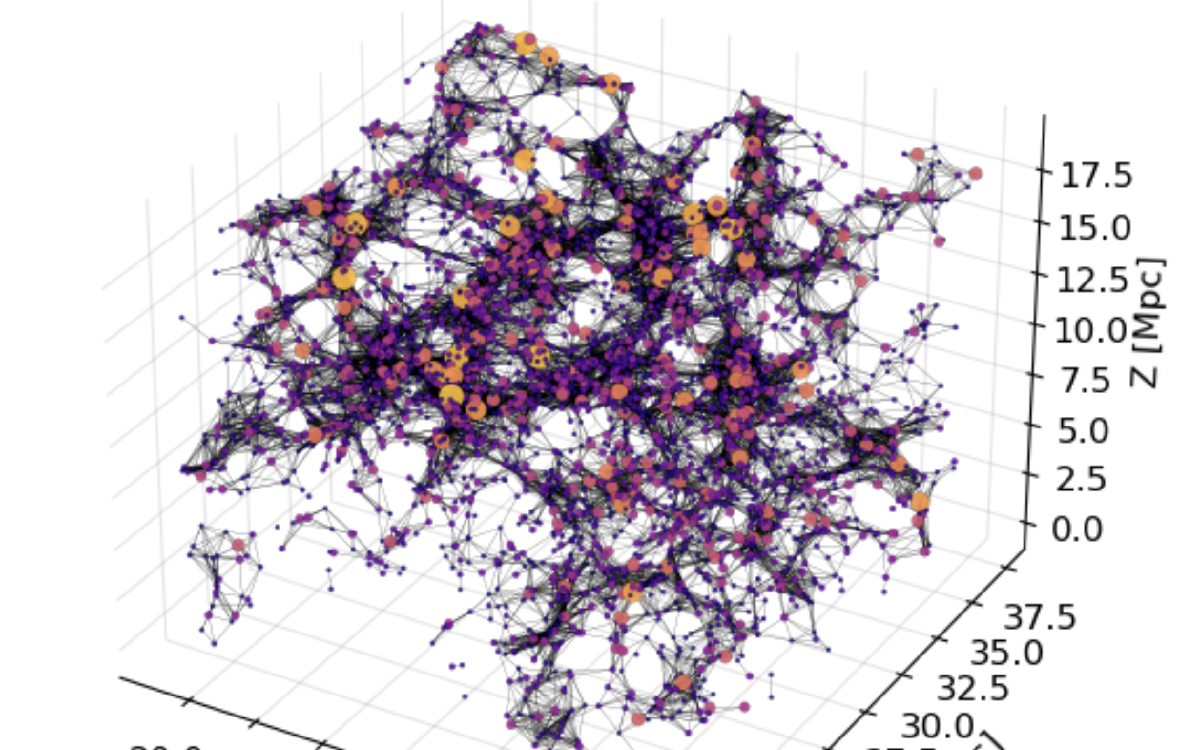
We use Graph Neural Networks to determine how galaxies relate to their environments, and determine a special neighbourhood length scale which shape galaxies the most.
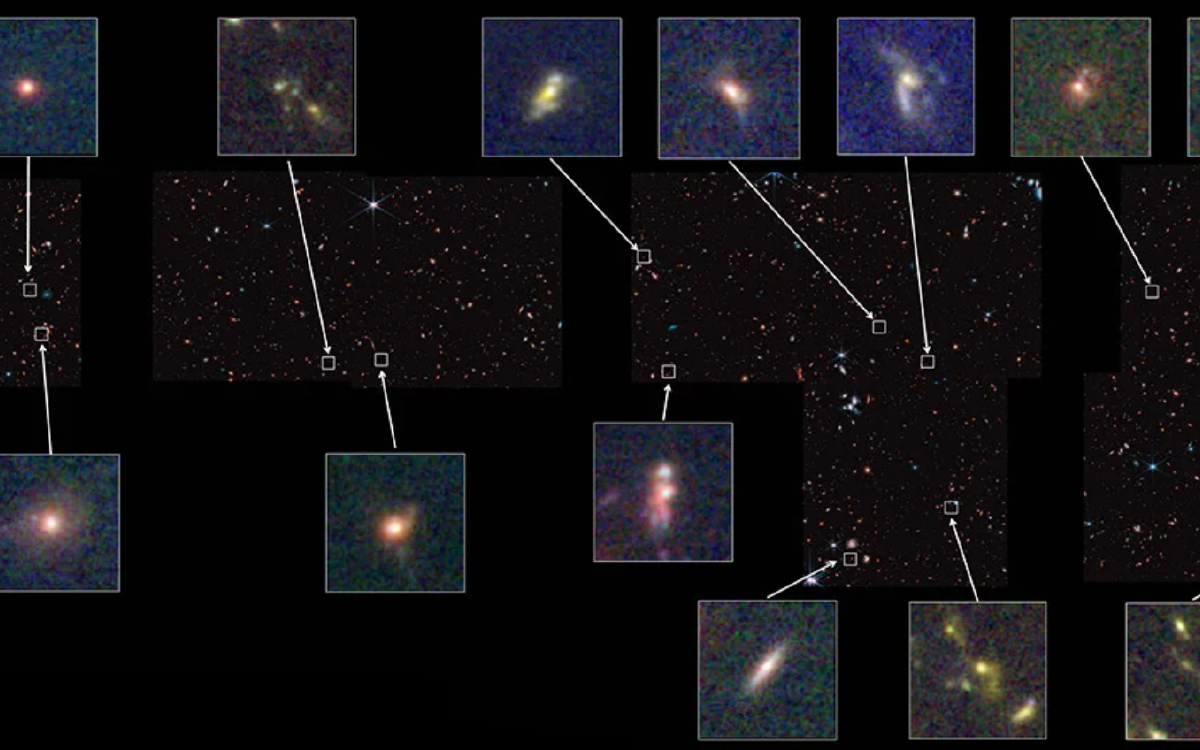
We show that the highest redshift galaxies detected with the James Webb Space Telescope, will have a highly skewed distribution due to galaxy clustering, which can be quantified through an effect known as cosmic variance.

This project aimed to show how building an emulator using merger trees encoded as graphs can both dramatically improve the precision with which we make simulated galaxies and improve our understanding of the galaxies we make! We achieved that with Mangrove (Paper out now)!
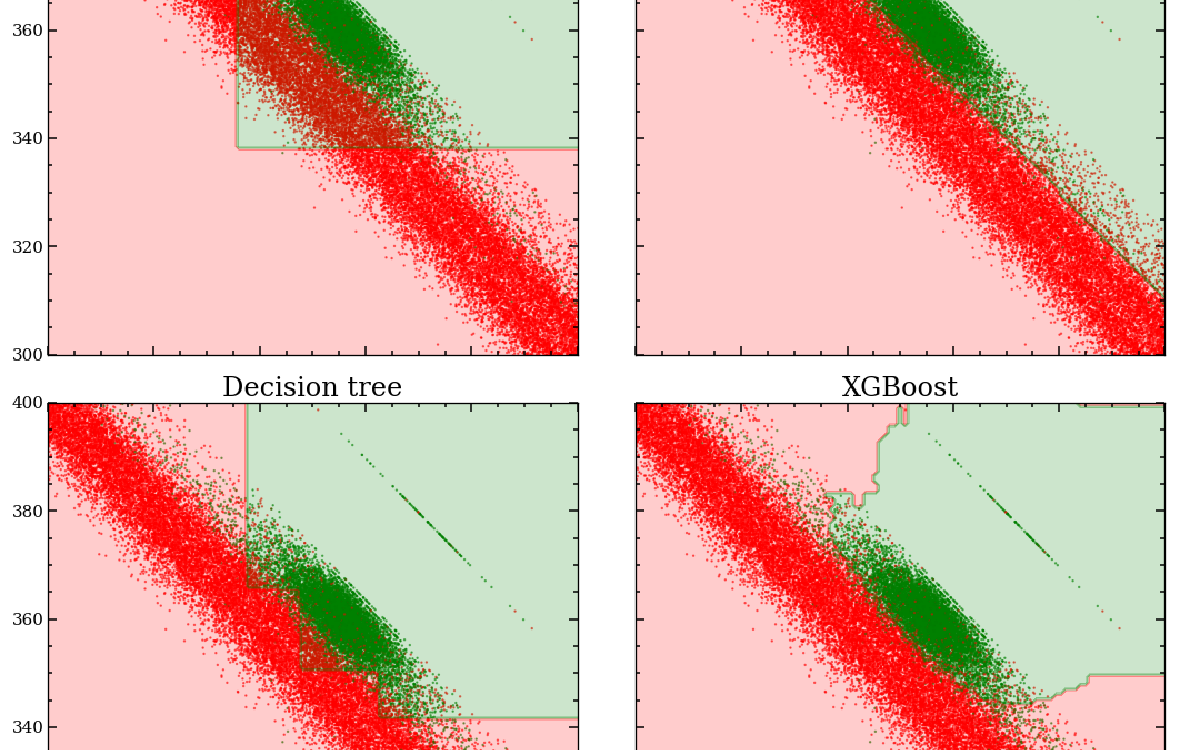
We go through several low - to medium level Machine Learning algorithms and optimize their performance for a classifying $V^0$ - particles, both in simulation and real data
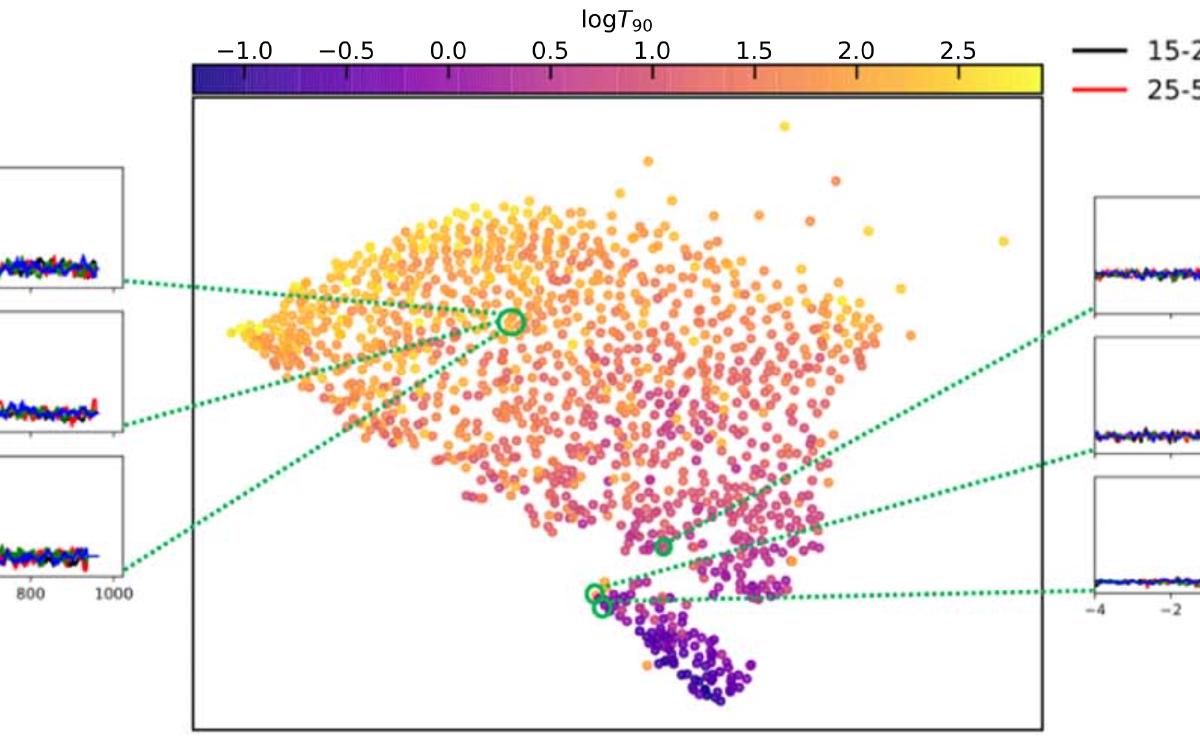
We solve the long-standing problem of the overlapping distributions of long and short Gamma-Ray Bursts using Machine Learning
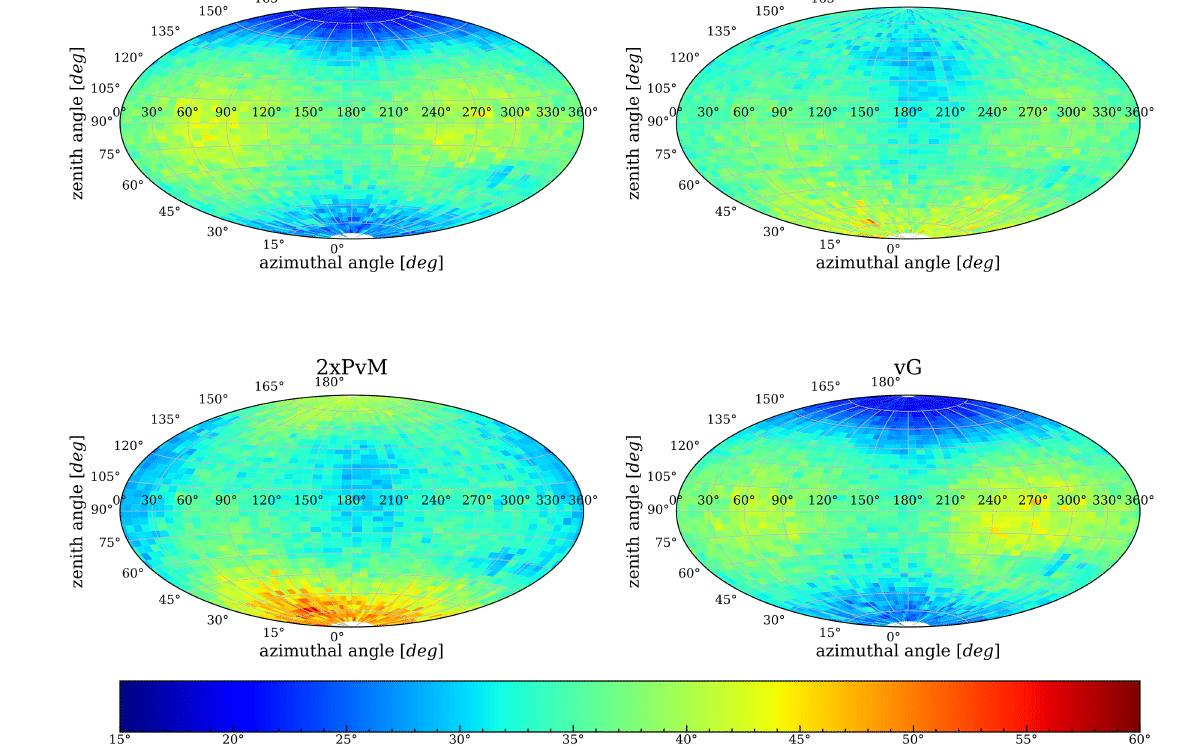
Using Graph Neural Networks, me and a group of friends showed that event reconstruction speed and precision for low-energy neutrino events can be greatly improved.
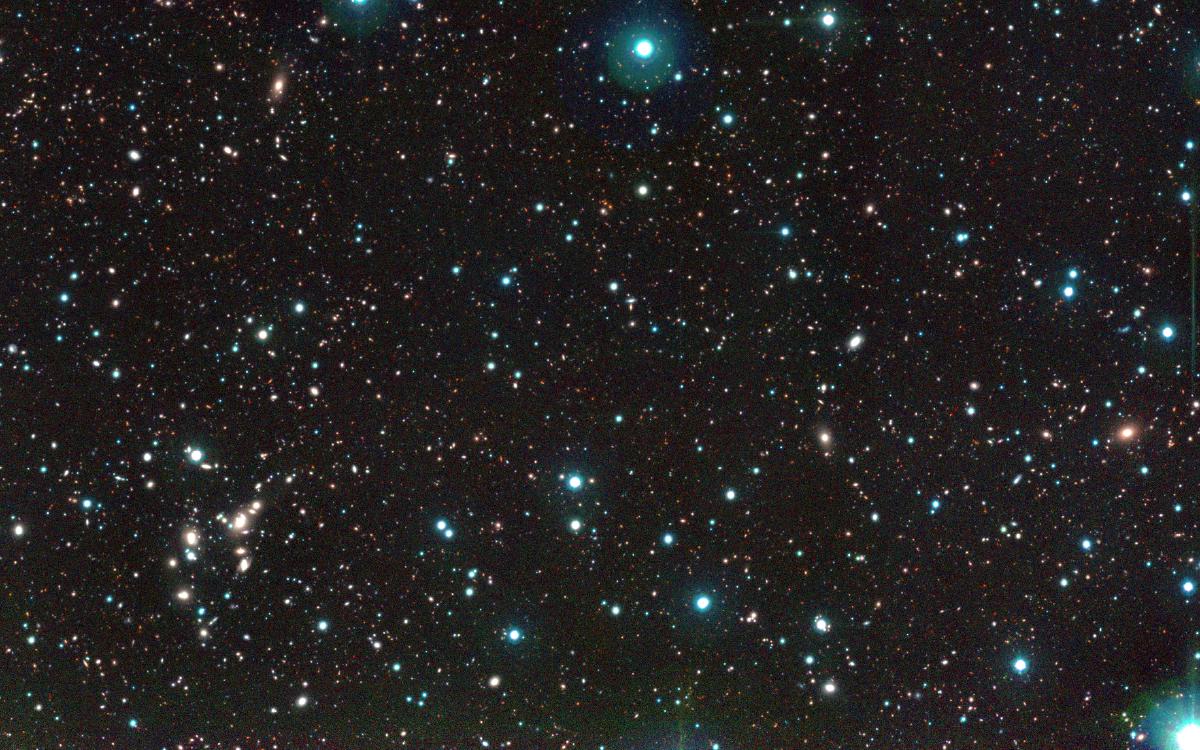
Solving the issue of spatially varying PSFs for the COSMOS survey