01
Galaxy environments and assembly with GNNs
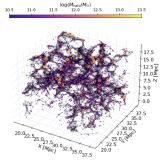
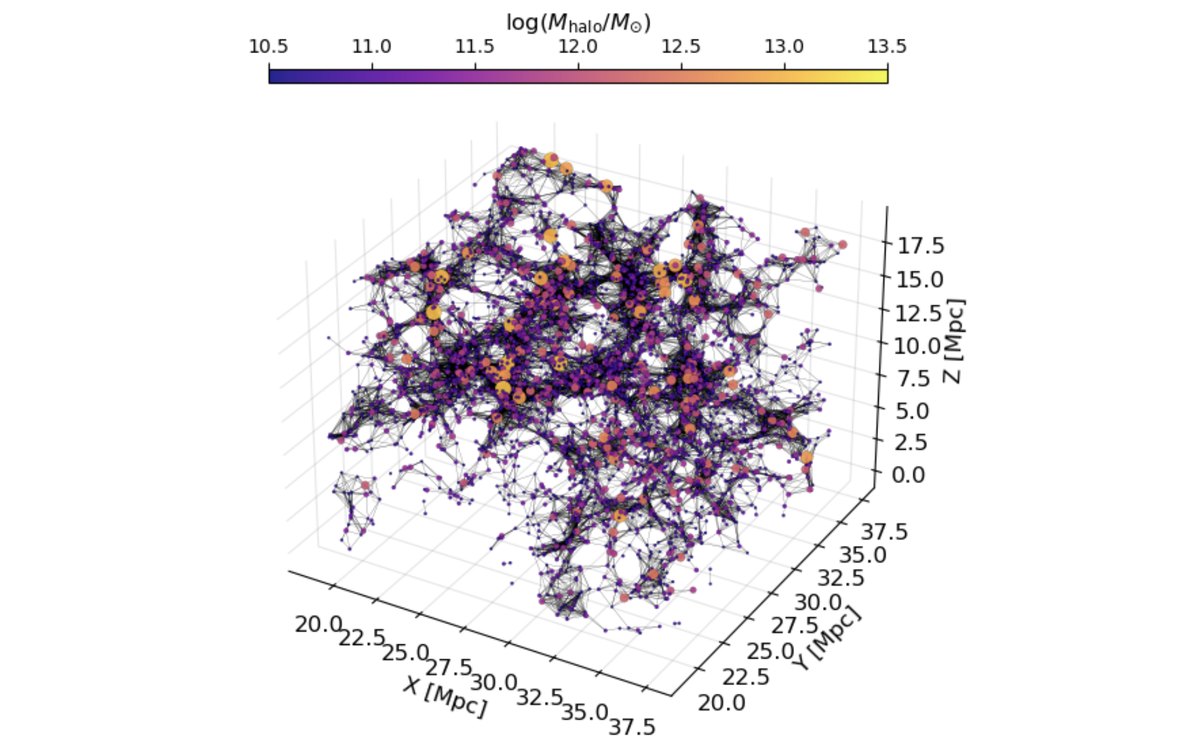
Halo merger histories and large-scale environment encoded as graphs, and modelled with Graph Neural Networks.
See the projects
Schmidt AI in Science Fellow · CITA Fellow · University of Toronto
Christian Kragh Jespersen
01
Halo merger histories and large-scale environment encoded as graphs, and modelled with Graph Neural Networks.
See the projects
02
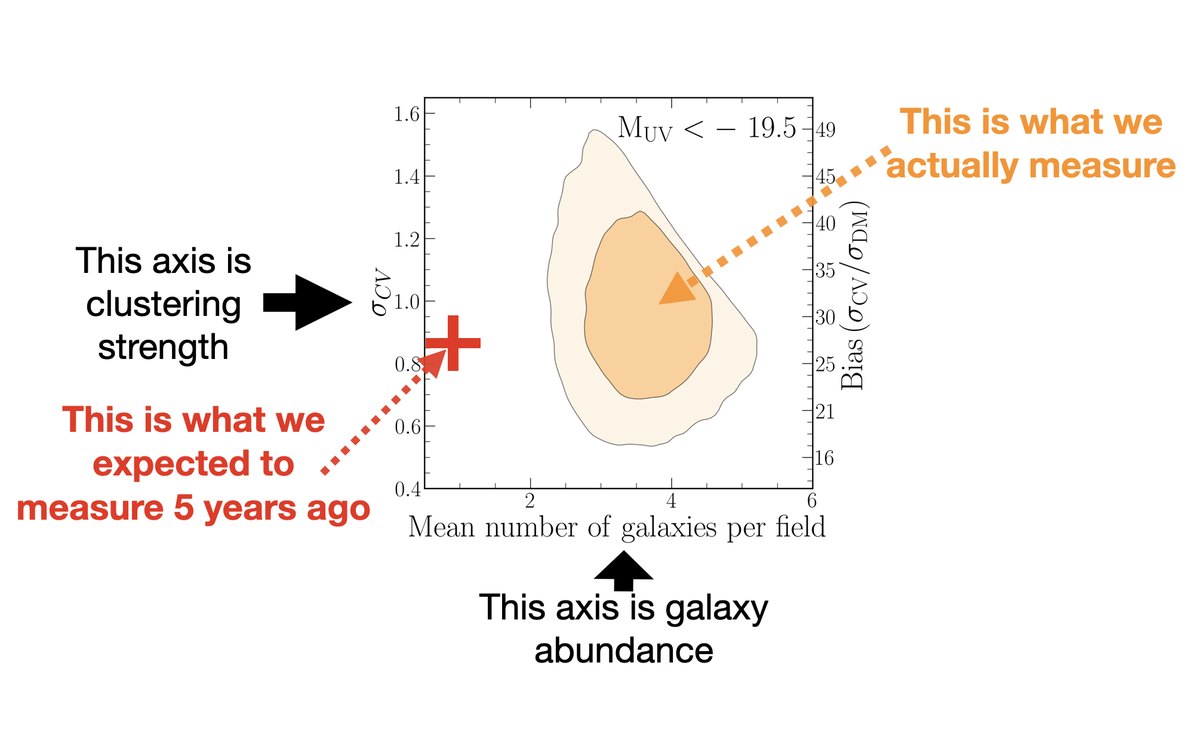
Using the clustering of the earliest galaxies to constrain and explain early galaxy physics — or marginalizing it away when we do not know it.
See the projects
03
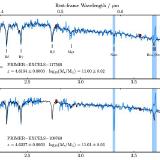
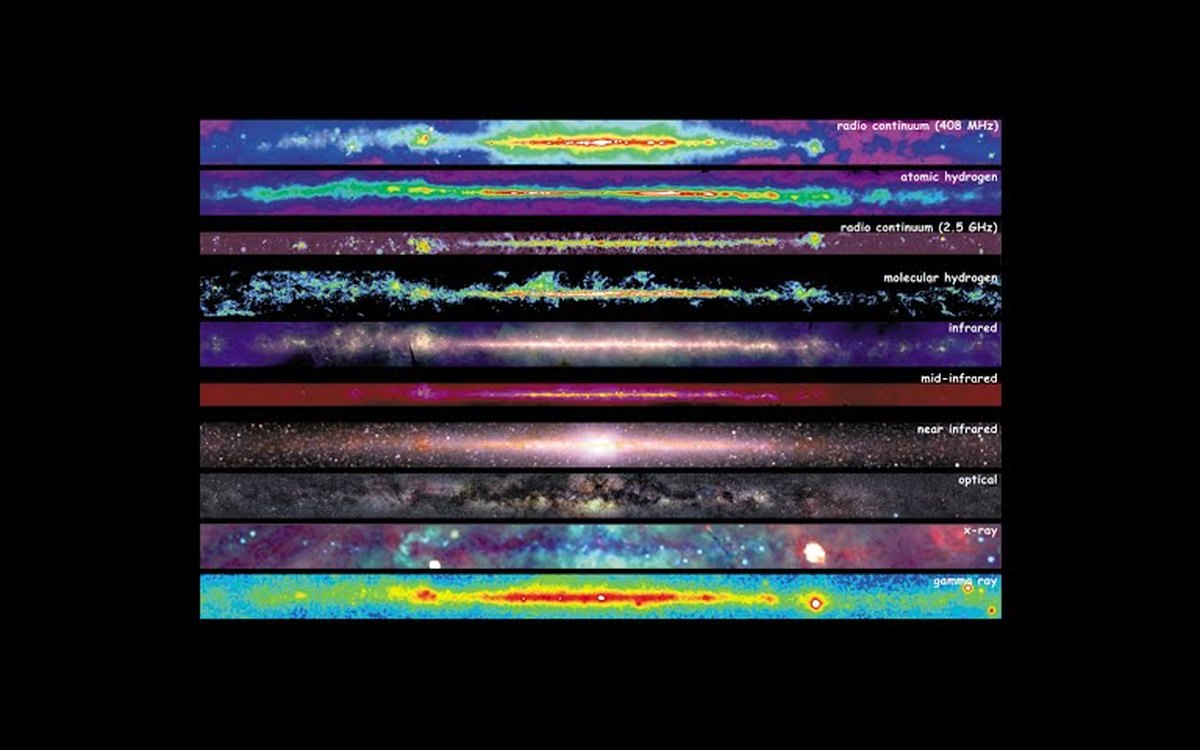
Spectra are the most information-rich data type we have, and they are the cornerstone of galaxy property inference. Whether for galaxy evolution or instrument calibration, we can do better science and make better models by using them more effectively.
See the projects
04
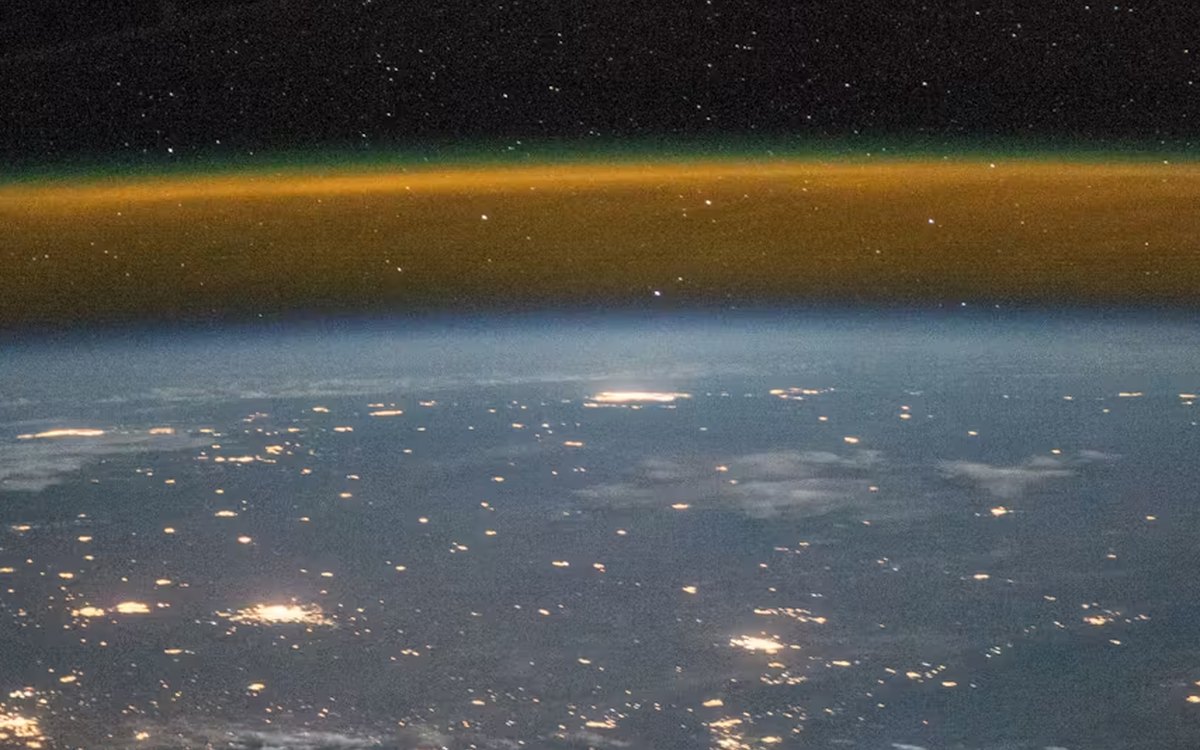
Calibration from the Earth's sky itself. Airglow, sky subtraction and wavelength solutions for the Prime Focus Spectrograph, plus PSF work for COSMOS2020.
See the projects
Latest personal writings
3 October 2024 Pinned
Many people ask me if I am a theorist or an observer, and the answer is always a bit of a mess. Here are my thoughts on it, being both and maybe something different.
19 March 2026
The postdoctoral job market is one of the major challenges anyone wishing to work in academia must face. To gain insights into the dynamics of the market, we can model, fit, and simulate the market. These simulations let us answer a few hard questions.
13 March 2026
The postdoctoral job market is one of the major challenges anyone wishing to work in academia must face. Here I want to provide some lessons learned and personal reflections for both other and my future self.